
ERICK PERRY
Erick Perry (b. 1994, Hobart, Oklahoma) is a lens-based artist living and working in Oklahoma City. He uses visual resources like photography, printmaking, and film to translate personal narratives into public-facing forums.
His work, Takes of Village (2022), was exhibited across Oklahoma: Melton Gallery, Edmond, OK; The Art Hall, Oklahoma City, OK; General Tommy Franks Leadership Institute and Museum, Hobart, OK.
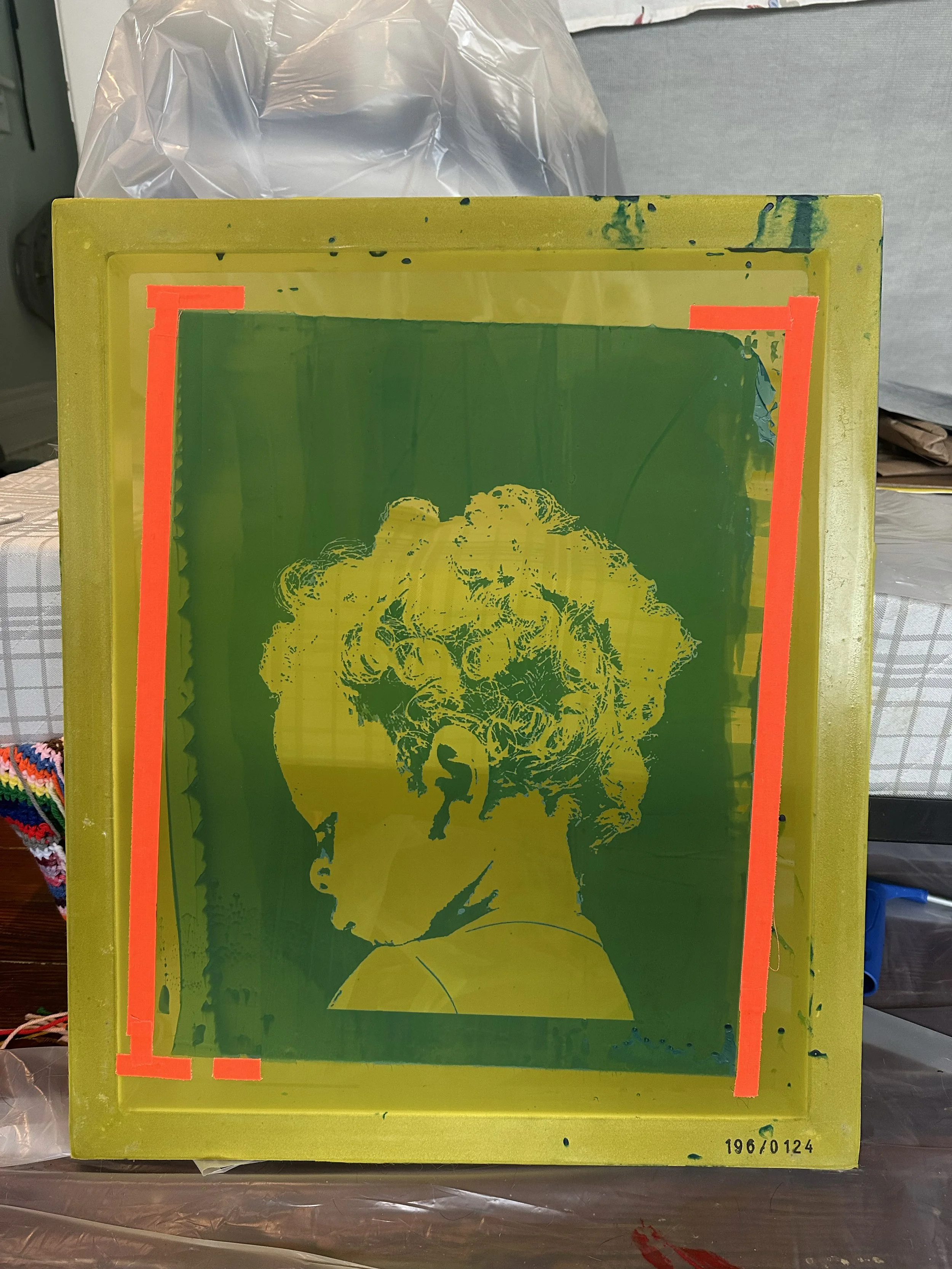
Playing with Fire is a mystery. The collection of conceptual serigraphs guides viewers through turn of the century Indian Territory encompassing themes of lineage, land, and legality. Each layer of acrylic ink, pressed, dried then topped by another, appropriates historical archives, original photographs, and sketches to examine alienness in America.
PLAYING WITH FIRE
*Artworks shown are not final versions for exhibiting, but can be used as an example of project’s aesthetic style.
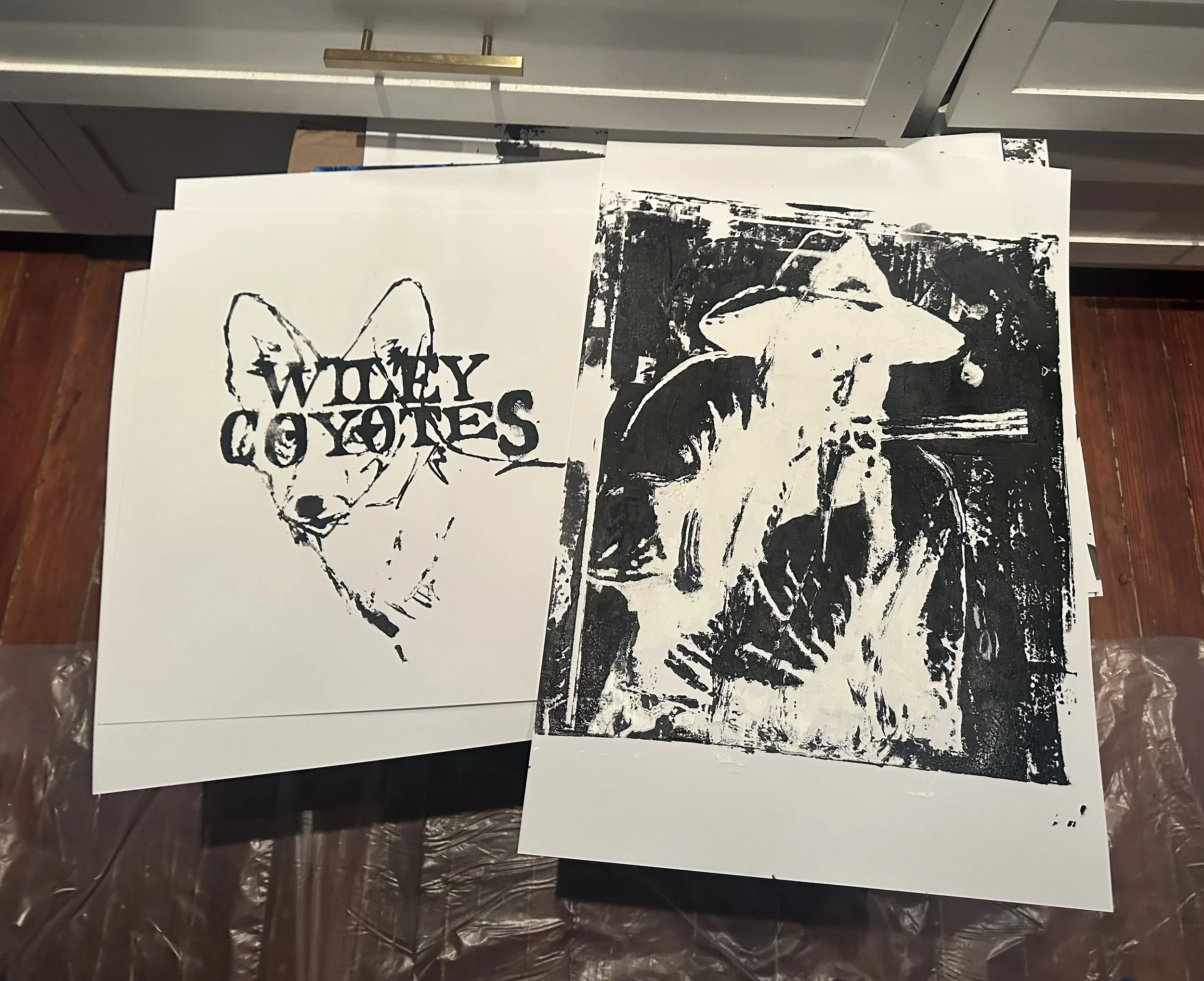
[Left] Wiley Coyotes (2026), acrylic on paper [Right] Tishomingo Gunman II (2026), acrylic on paper
MEDIUM
Single-edition silkscreen serigraphs using acrylic ink on archival paper — each a unique, unrepeatable artifact.
AESTHETIC
Multi-layered, deliberately obscured imagery evoking time’s distortion of memory — ambiguity as visual strategy.
SOURCE MATERIALS
Federal census records, Dawes Commission documents, local newspapers, original photographs, and field sketches from Southern Oklahoma.
PRESERVATION
Gallery-grade, archival framing is central to the project’s thematic of preservation.
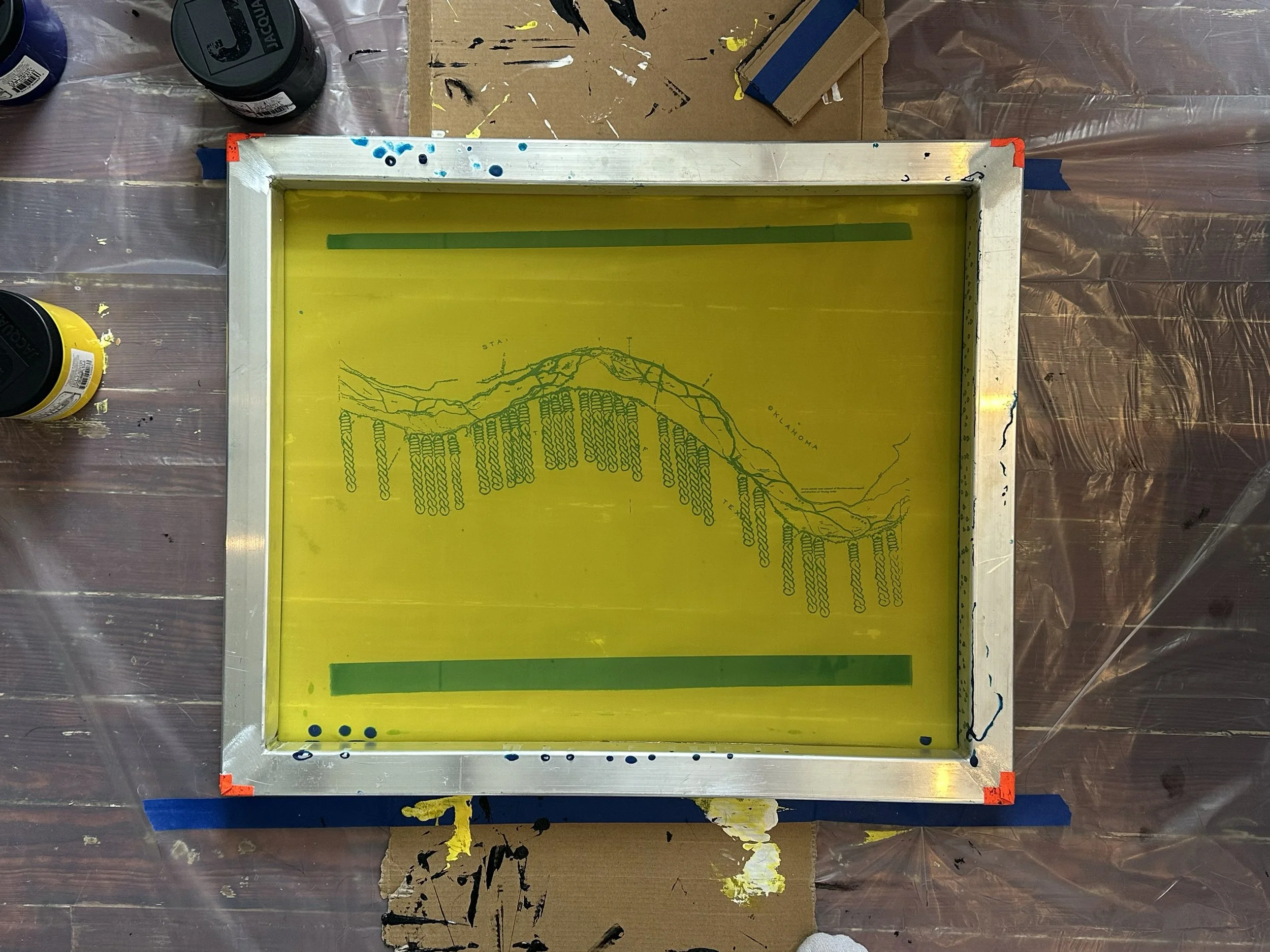
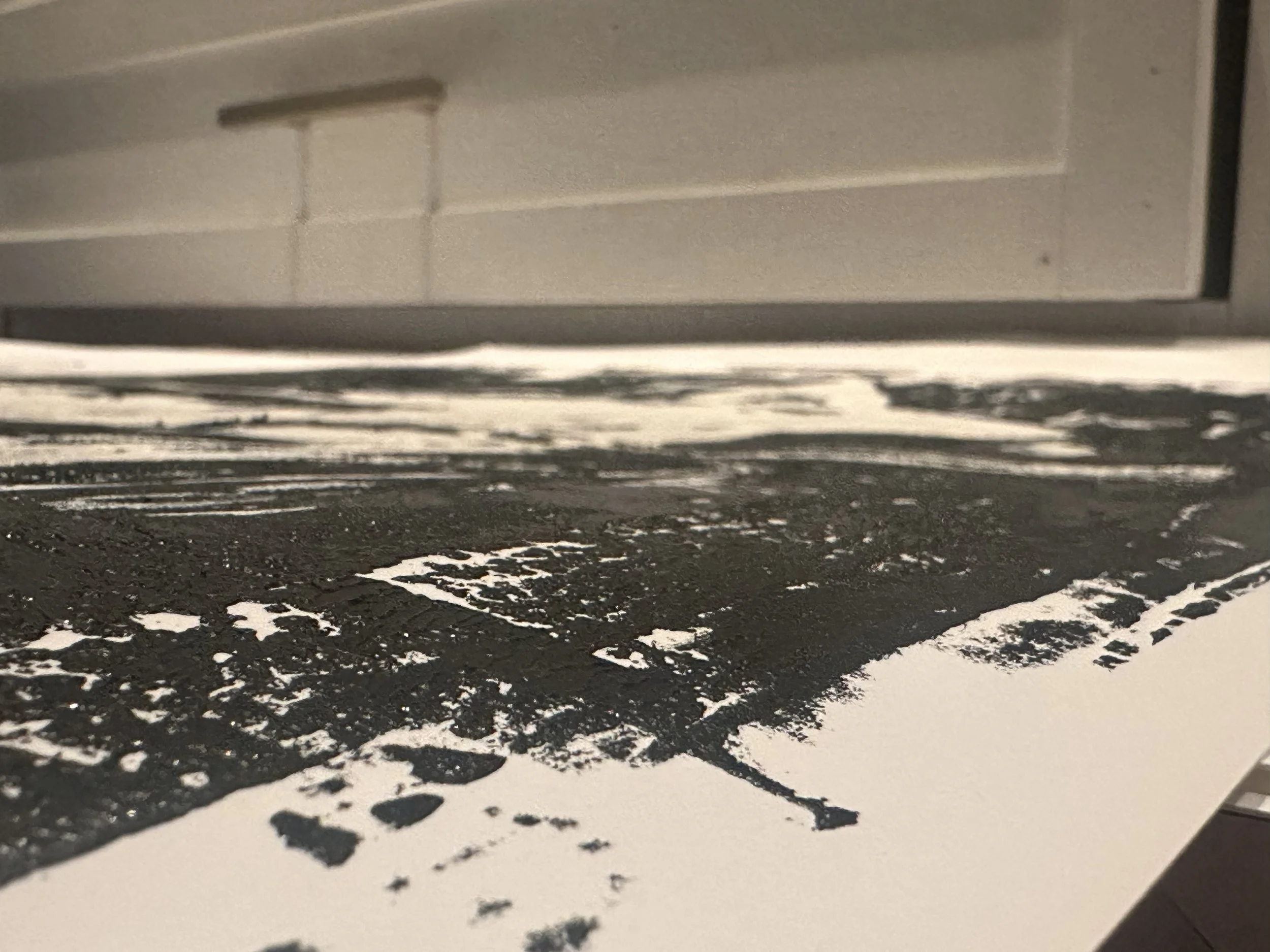
“With each layer — or generation — we copy, yet convert our image to the point where foundational layers begin to seem nonexistent. However, those initial layers still shape our identities today, no matter how muddied or smeared they may seem.””
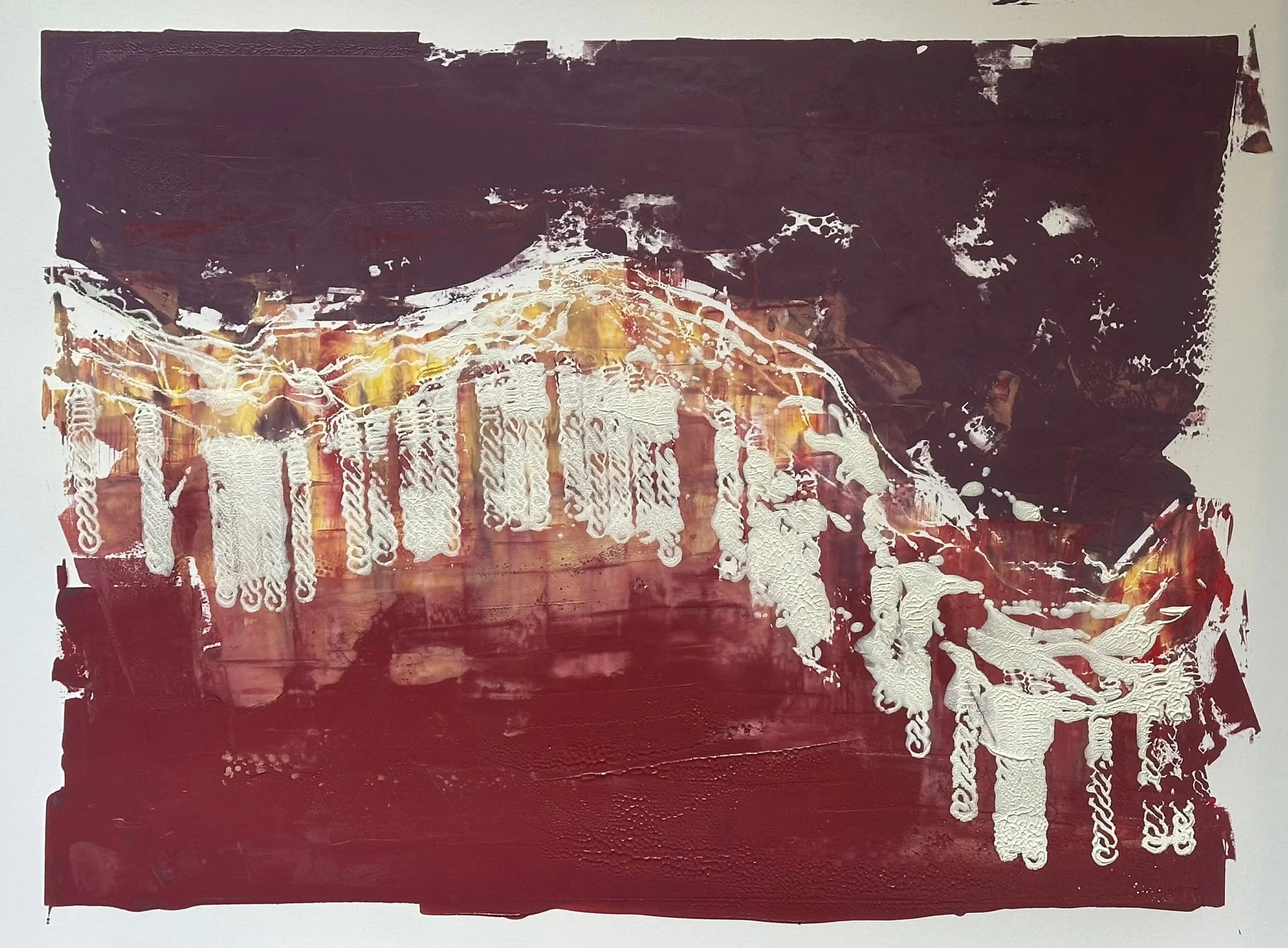
Fringe Society (2026), acrylic on paper
In 2023, I began looking into my paternal lineage. I was expecting my first child, a boy who would inherit my family name. I never met my grandfather; neither did my father. So, I began searching for more information about him. I traced United States census records for his name, then his father, his father’s father and so on. Once I began connecting dots, I was obsessed with the idea of four, even five, iterations of myself existing before me, all within a small region. This led to questioning how we came to be in this region, originally. Records by the Dawes Commission answered that. My fourth-great grandfather, fifth-great grandfather and fifth-great grandmother were listed as Chickasaw Freedmen.
Through 2025, I travelled and worked throughout the region these freedmen helped settle, now known as southern Oklahoma. Towns like Ardmore, Davis, and Tishomingo set the scene for my studies as I actively read each book I found published on the formerly enslaved settlers. Unfortunately, less has been recorded, it seems, of the Chickasaw Freedmen than of their neighboring freedmen – far less than their neighbors in the Chickasaw people.
By presenting this work, I am interjecting myself into this greater historical narrative, actively recording my presence in relation to these freedmen. The work’s ambiguity in subjects and censorship plays into the idea of unknown or overlooked histories, allowing viewers to search through images displayed and provided ephemera to enhance interpretations. The work’s aesthetic is influenced by the federal documents, local newspapers, and locations discovered when researching my family. The concept recognizes the risk of acting against authority, while questioning the danger of inactivity, drawing attention to the lived experiences of Chickasaw Freedmen in Indian Territory, who were not recognized as legal citizens in the Chickasaw Nation nor the United States following their emancipation in 1866 until they were amalgamated as Oklahomans in 1907.
This webpage will be regularly updated as the project progresses. Last update: 06/24/2026